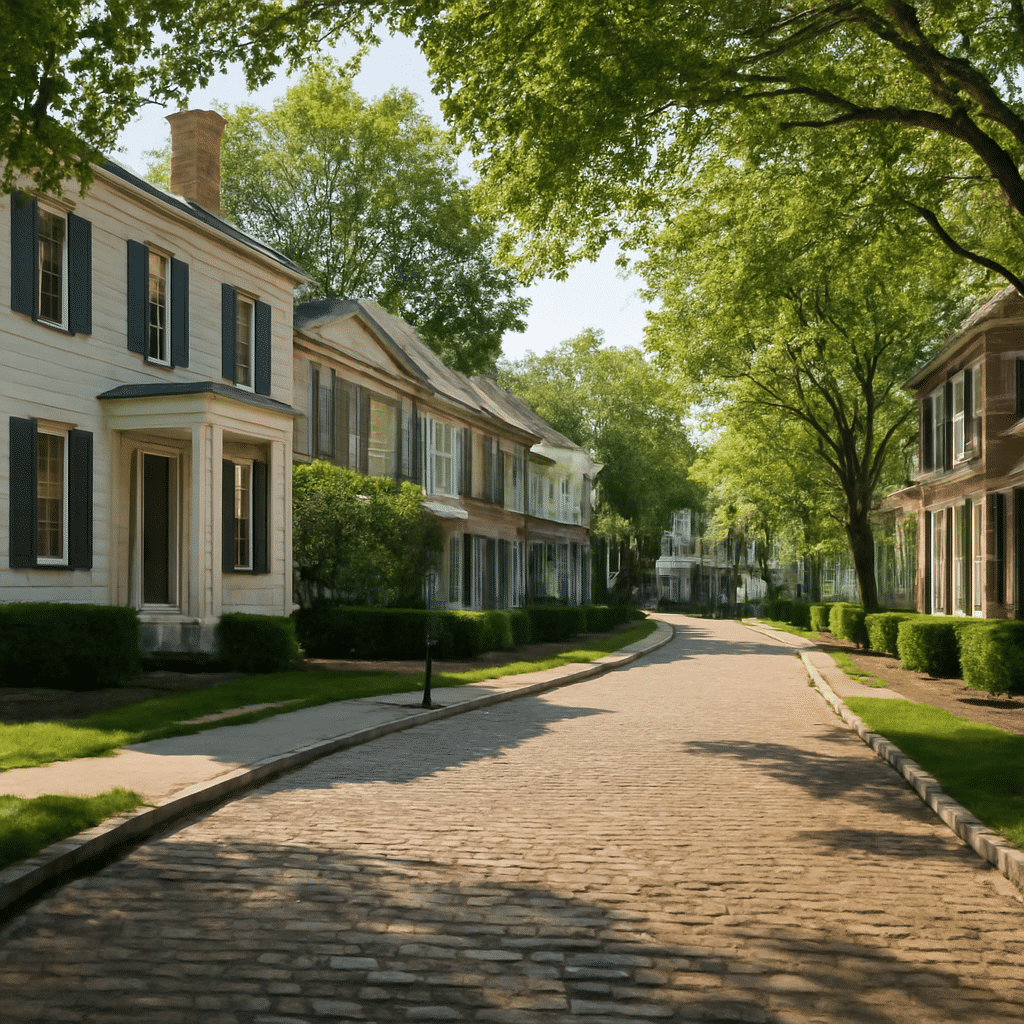
In recent years, the sustainable movement to preserve architectural heritage has gained momentum, laying the groundwork for the revitalization of historic neighborhoods. This trend not only protects the cultural identity and history embedded in aging bricks and mortar but also serves as a catalyst for community revitalization and economic renewal.
The intrinsic value of historic neighborhoods lies in their rich tapestry of stories and distinctive architectural features that cannot be replicated in modern construction. Preserving these architectural gems fosters a sense of pride and continuity, allowing current and future generations to maintain a tangible connection to their origins. Each building tells its own story; whether it is a grand Victorian mansion, a quaint colonial cottage, or an old factory that has been transformed into trendy lofts, these structures embody the spirit of their era and the people who inhabited them.
Preservation efforts often lead to increased tourism, as visitors are drawn to the nostalgic allure of well-kept historic districts. This influx of tourism can significantly boost the local economy by creating jobs and supporting businesses such as restaurants, cafes, and shops. Moreover, the presence of vibrant and well-maintained historic areas can lead to increased property values, drawing new residents and investors interested in both the aesthetic charm and the commercial potential of these neighborhoods.
Beyond economic advantages, preserving historic neighborhoods also enhances community well-being. The process of restoration often brings together residents, local authorities, historians, and conservationists, fostering a sense of unity and purpose. Initiatives such as walking tours, open houses, and cultural festivals can transform these neighborhoods into social hubs that promote community engagement and cultural appreciation.
Furthermore, adaptive reuse—the practice of repurposing old buildings for modern use—embodies the epitome of sustainable development. By reimagining these structures as art galleries, libraries, boutique hotels, or community centers, communities not only save resources and reduce environmental impact but also enrich their social and cultural fabric. This approach extends the life of buildings and contributes to the unique urban landscape that sets each neighborhood apart.
The ripple effect of historic preservation often extends into other areas of urban planning and development. It encourages sustainable practices and can lead to improved infrastructure, enhanced public transportation, and better services for residents. As people revel in the beauty of their restored surroundings, they are also more likely to support environmental conservation efforts, making historic neighborhoods beacons of sustainability and community resilience.
In conclusion, the concerted effort to preserve the architectural heritage of historic neighborhoods yields a plethora of benefits that extend far beyond the maintenance of ancient walls. These efforts catalyze economic growth, boost community well-being, and promote sustainability, all while ensuring that the unique character and cultural legacy of these areas remain intact. As cities continue to evolve, let the harmonious blend of past and present underline the path to future urban living. By valuing and investing in our architectural past, we not only enrich our everyday lives but also solidify a heritage for generations to come.