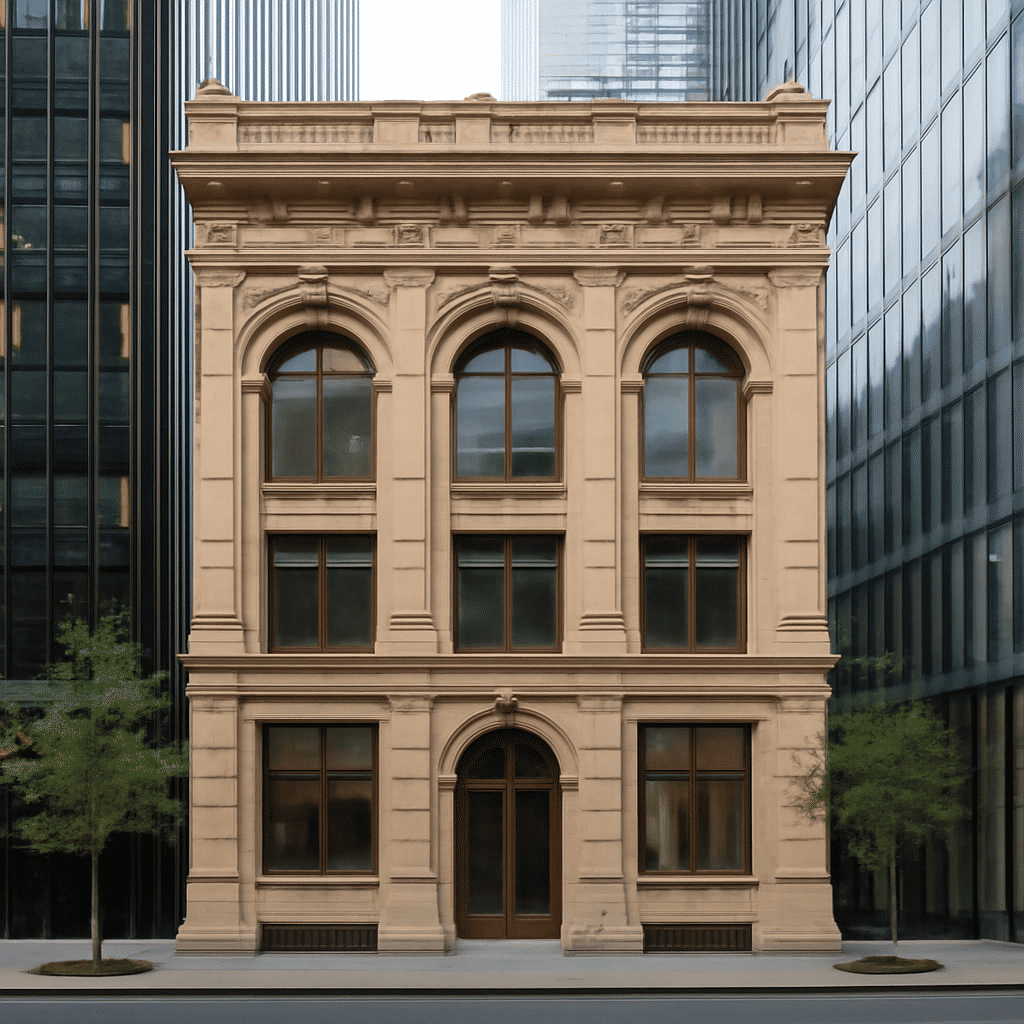
Historic preservation is an endeavor that marries the beauty and wisdom of the past with the functional demands of the contemporary world. It serves as a reminder of our cultural heritage, offering glimpses into the architectural and societal values from times gone by. As such, preservation projects are not merely about maintaining old structures; they are about finding innovative ways to infuse them with new life while respecting their historical significance.
One of the critical aspects of modern historic preservation is the careful integration of contemporary amenities. This delicate balance ensures that these sites remain relevant and accessible to today's audiences, without compromising on their historical integrity. This integration can be seen in various elements such as the installation of modern heating and cooling systems, which not only make spaces more comfortable but also help in preserving the structural materials by regulating internal climates.
Furthermore, accessibility features are prioritized to ensure that all individuals, irrespective of physical limitations, can appreciate these historic sites. Elevators, ramps, and accessible pathways are sensitively incorporated into the new designs, ensuring they do not detract from the aesthetic appeal and historical accuracy of these landmarks.
Technology also plays a vital role in these preservation projects. Using advanced techniques such as 3D scanning and modeling, preservationists can thoroughly document structures before any restoration work begins. This approach minimizes the risk of losing important historical details and provides a precise blueprint for reconstruction if needed.
Adaptive reuse is another pioneering strategy in historic preservation. This practice involves repurposing existing structures for new uses while maintaining their historical essence. Old factories have been transformed into mesmerizing loft apartments, while historic churches find new life as vibrant community centers. This methodology not only revives old buildings but also contributes to sustainable development by reducing the need for new construction materials.
These projects cannot succeed without a deep reverence for the craftsmanship of the past. Historic preservation acknowledges the skill and artistry of traditional builders by using materials and techniques that align with the original construction, whenever possible. Yet, it is equally crucial to incorporate modern materials that offer enhanced durability and efficiency, ensuring these landmarks endure for future generations.
Community engagement is another cornerstone of successful historic preservation. These projects thrive on public interest and involvement, fostering a sense of collective pride and ownership. Workshops, guided tours, and educational programs are integral to these efforts, helping to raise awareness about the importance of preserving cultural heritage.
Ultimately, historic preservation is more than an act of conserving physical structures. It is a tribute to the narratives and craftsmanship of the past, a dialogue between history and modernity. These projects breathe new life into our cultural landscapes, ensuring they remain vibrant, evocative, and profoundly relevant in an ever-changing world.