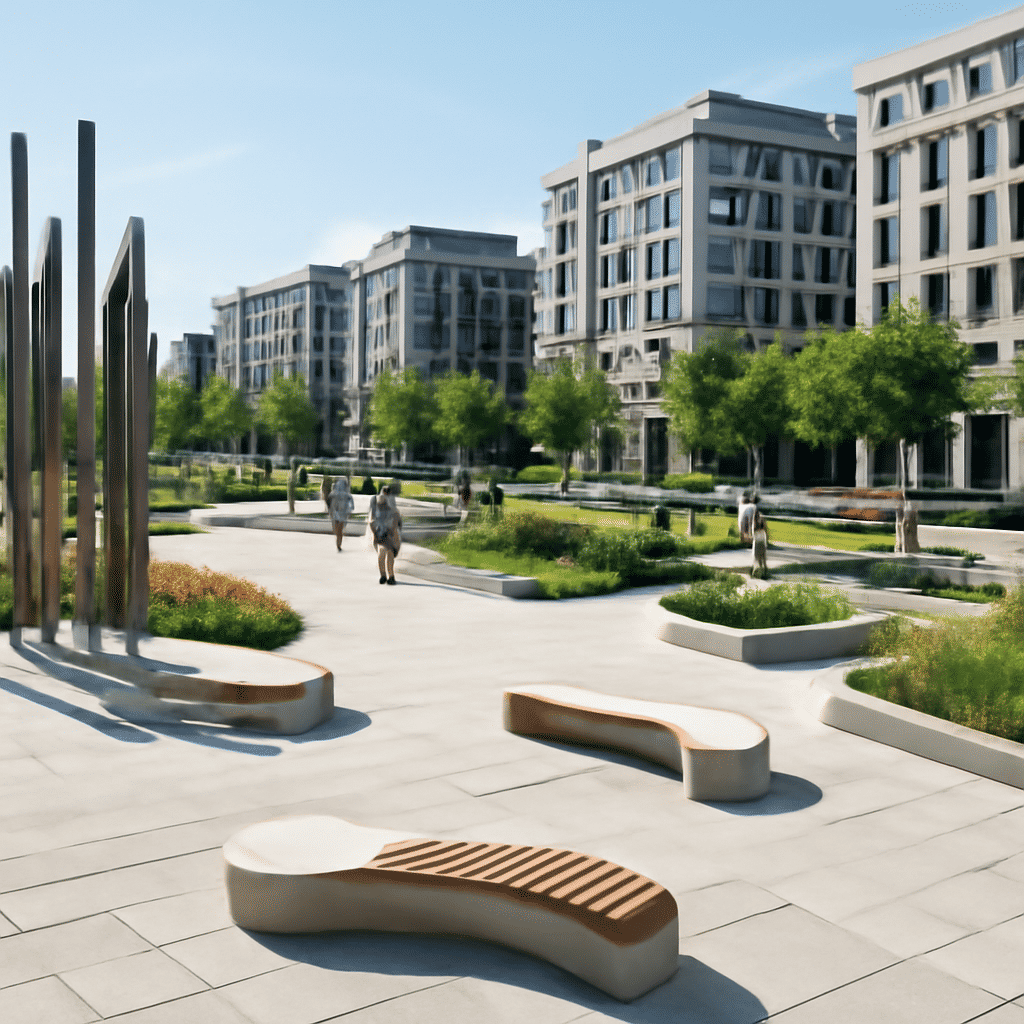
In the rapidly evolving landscape of today’s cities, designing urban spaces that foster community interaction and elevate the quality of life is both a pressing need and a delightful challenge. Our approach to creating innovative urban spaces revolves around three core principles: inclusivity, sustainability, and adaptability. By weaving these elements into the fabric of our cities, we can transform them into vibrant hubs of interaction and growth.
Inclusivity lies at the heart of any thriving community. In designing urban areas, it's essential to incorporate diverse spaces that cater to people of all ages, backgrounds, and abilities. This may involve creating accessible pathways for individuals with mobility challenges, developing playgrounds that stimulate children's imagination, and setting up communal areas that encourage exchanges across different demographics. For example, mixed-use developments that blend residential, commercial, and recreational spaces allow people to live, work, and play in proximity, fostering a sense of community and engagement.
Sustainability is another pillar that supports innovative urban spaces. By integrating green infrastructure, such as parks, green roofs, and urban gardens, cities can improve air quality, reduce the urban heat island effect, and provide residents a calming respite from bustling city life. Harnessing renewable energy and employing eco-friendly materials in construction not only minimizes the environmental footprint but also shows a commitment to a cleaner, greener future. Moreover, features like rainwater harvesting systems and energy-efficient lighting can significantly reduce resource consumption, underscoring the necessity of sustainable urban design.
Adaptability is essential in our ever-changing world. Urban spaces must be designed to adjust to social, environmental, and technological shifts. This could mean creating flexible public spaces that can host a variety of events, from farmers' markets to outdoor concerts, or building modular structures that can easily evolve with community needs. Incorporating cutting-edge technology, such as smart grids and IoT devices, enables cities to optimize resources and enhance the living experience for residents.
Community engagement is vital throughout this entire process. By inviting residents to participate in planning and development phases, cities ensure that spaces reflect the unique identity and needs of each community. Workshops, surveys, and public forums can provide invaluable insights into what locals value and desire.
In conclusion, the approach to designing innovative urban spaces necessitates a balance of inclusivity, sustainability, adaptability, and deep community involvement. By embracing these principles, cities can create environments that not only facilitate growth and interaction but also resonate with the spirit of their diverse populations. As urban areas continue to expand and evolve, these considerations will remain pivotal in crafting spaces that enrich our shared urban experiences.